

Play Therapy in San Antonio, TX
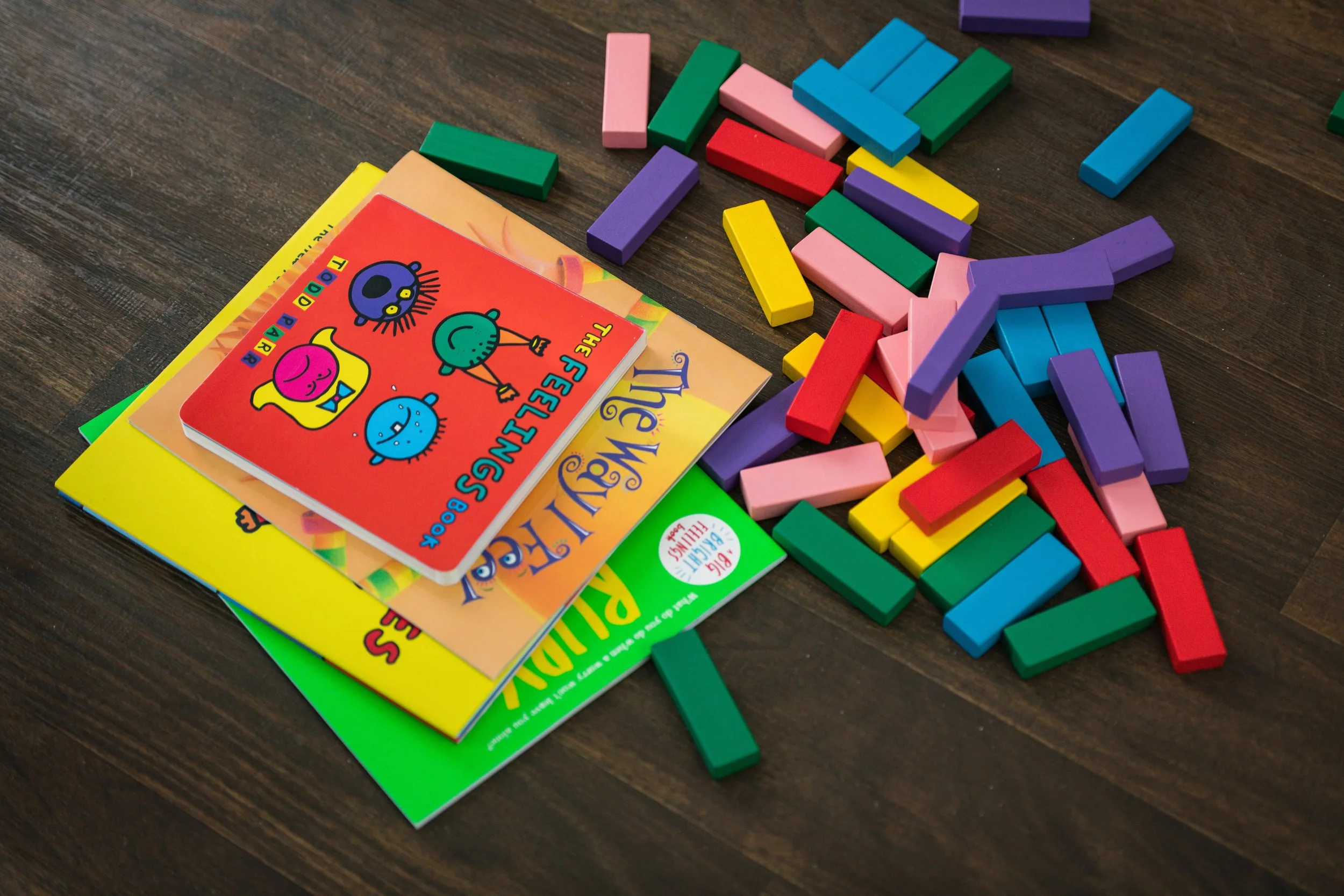
Helping Little Minds Navigate Big Feelings
Growing up comes with big emotions, new experiences, and challenges that children don't always know how to express. When worries, frustration, behavioral challenges, or life changes become overwhelming, it can be difficult for children to communicate what they're going through.
At In Bloom Therapy, we believe every child deserves a safe, supportive space to feel understood, build confidence, and grow.
Through play therapy, our therapists help children explore emotions, navigate challenges, strengthen relationships, and develop the skills they need to thrive.
Because sometimes, the biggest growth happens through play.
Is Your Child Struggling With Big Feelings or Challenging Behaviors?
As a parent, it can be difficult to know whether your child's experiences are a normal part of growing up or a sign that they could benefit from additional support.
You may have noticed that your child:
Experiences frequent emotional outbursts, frustration, or meltdowns
Struggles with anxiety, excessive worry, or fears
Has difficulty expressing emotions or communicating their needs
Experiences challenges with friendships or social relationships
Has trouble following directions or managing behaviors at home or school
Seems withdrawn, sad, or less confident than usual
Is having difficulty adjusting to family changes, separation, or divorce
Has experienced grief, loss, trauma, or another stressful event
If any of these sound familiar, you're not alone.
Children often communicate their emotional experiences through behavior, and play therapy offers a developmentally appropriate way to explore what may be happening beneath the surface.
You don't have to wait for a crisis to seek support. Counseling can also help children strengthen emotional awareness, build coping skills, and develop healthier ways of navigating everyday challenges.
How Can Play Therapy Help My Child?
Every child is unique, and play therapy is tailored to their individual strengths, challenges, and treatment goals.
Through play therapy, children may work toward:
Understanding and Managing Emotions
Learning to recognize feelings, communicate emotional needs, and develop healthier ways to respond to frustration, worry, and disappointment.
Building Confidence and Self-Esteem
Developing a stronger sense of self, recognizing personal strengths, and feeling more capable of navigating challenges.
Developing Coping and Problem-Solving Skills
Practicing flexibility, frustration tolerance, decision-making, and coping strategies through developmentally appropriate activities.
Strengthening Relationships
Exploring communication, empathy, social skills, and ways to build meaningful connections with family members and peers.
Processing Difficult Experiences
Having a supportive environment to explore grief, family transitions, stressful events, or other experiences that may be difficult to express verbally.
What Is Play Therapy?
Play is one of the most natural ways children learn, communicate, and make sense of their world.
Play therapy is a developmentally appropriate approach to counseling that uses toys, games, creative activities, and the therapeutic relationship to help children explore their experiences and develop emotional and relational skills.
While adults often process experiences through conversation, children may find it easier to express themselves through play.
At In Bloom Therapy, our therapists use play-based interventions to meet children where they are developmentally, creating opportunities for expression, connection, and growth.
What Does Play Therapy Look Like at In Bloom?
To children, play therapy may look like ordinary playtime. However, each session is guided by an intentional therapeutic relationship and individualized treatment goals.
Depending on your child's needs and their therapist's approach, sessions may incorporate:
Imaginative play: Using dolls, puppets, figurines, and pretend-play scenarios to explore emotions and relationships.
Creative expression: Drawing, painting, storytelling, and other creative activities that support emotional exploration.
Therapeutic games: Practicing coping skills, emotional regulation, problem-solving, and flexibility.
Sand tray activities: Using miniature figures and symbolic play to explore experiences and feelings.
Child-led play: Providing opportunities for children to make choices, express themselves, and experience encouragement within a supportive therapeutic relationship.
Some sessions may focus on emotional expression and building the therapeutic relationship, while others may include practicing specific coping skills.
There is no single way that play therapy looks for every child. Our therapists adapt their approaches to each child's developmental needs, interests, and treatment goals.
What Can Parents Expect?
We believe that supporting a child also means supporting the people who care for them.
Step 1: Getting to Know Your Child
Therapy typically begins with gathering information about your child's experiences, strengths, challenges, and developmental history. Your therapist will collaborate with you to identify treatment goals and discuss an appropriate approach.
Step 2: Building Trust and Connection
During the initial sessions, your child's therapist focuses on developing a supportive therapeutic relationship. Children are given opportunities to become comfortable with the therapy environment and engage in developmentally appropriate activities.
Step 3: Exploring, Learning, and Growing
As therapy progresses, your child may explore emotions, practice coping skills, strengthen relationships, and work through challenges using play-based interventions.
Step 4: Supporting Growth Beyond the Therapy Room
Your therapist may collaborate with you through parent consultations, treatment updates, and strategies to support your child's progress at home. The level of caregiver involvement depends on your child's needs, treatment plan, and confidentiality considerations.
Why Choose In Bloom Therapy for Play Therapy in San Antonio?
At In Bloom Therapy, we recognize that every child brings a unique personality, set of strengths, and way of experiencing the world.
We strive to create a welcoming environment where children can feel accepted, understood, and encouraged to explore their experiences at their own pace.
Our approach emphasizes:
Individualized care: Therapy tailored to your child's developmental needs, strengths, and goals.
A supportive therapeutic relationship: Building trust, connection, and emotional safety.
Developmentally appropriate interventions: Using play and creative approaches that meet children where they are.
Collaboration with caregivers: Supporting parents and families as part of the therapeutic process.
Growth beyond the therapy room: Helping children develop skills and insights they can carry into everyday life.
Our goal is to help children feel supported as they navigate challenges and discover their capacity for growth.
Frequently Asked Questions About Play Therapy
What age is play therapy best for?
Play therapy is commonly used with younger children, although play-based interventions can also be adapted for older children and preteens. Your therapist can help determine whether this approach is appropriate for your child's developmental needs.
How do I know if my child needs play therapy?
If your child is experiencing persistent anxiety, emotional outbursts, behavioral difficulties, social challenges, or difficulty adjusting to stressful experiences, therapy may be helpful. An initial consultation can help you explore your concerns and determine appropriate next steps.
Does my child have to talk about their feelings?
Not necessarily! One of the benefits of play therapy is that children can communicate and explore experiences through play, even when they struggle to express themselves verbally.
Will I be involved in my child's therapy?
Parent and caregiver involvement is an important part of play therapy. Depending on your child's needs, your therapist may offer parent consultations, treatment updates, and recommendations for supporting your child outside of sessions.
How long does play therapy take?
The length of therapy depends on your child's individual needs, treatment goals, and progress. Your therapist will collaborate with you to review progress and determine appropriate next steps.
Does insurance cover play therapy?
Play therapy may be covered by insurance when it is provided as a medically necessary mental health service, depending on your plan and benefits. In Bloom Therapy works with several insurance networks. Contact our office to learn more about your coverage and available clinicians.
Let's Help Your Child Bloom
Taking the first step toward counseling can feel overwhelming, but you don't have to figure everything out on your own.
Whether your child is navigating big emotions, behavioral challenges, anxiety, or difficult life experiences, our team is here to help you explore the support that may be right for your family.
Ready to get started?
Schedule a free 15-minute consultation to discuss your child's needs, learn about our therapists, and explore your next steps.